
FlutterCon NYC 2024
I went to FlutterCon NYC last year to see what the broader Flutter community was working on. Our team at Genetec in Montreal uses Flutter for in-vehicle law enforcement software—software police officers depend on in the field, where uptime isn't negotiable. I came back with a few things worth sharing.
Why Flutter for this kind of work
I had a strong influence in the UI/UX and full-stack Flutter development for a cross-platform replacement of legacy police software. Flutter let us ship to multiple platforms from one codebase with native performance. Fine in theory. In practice, keeping 6 engineers aligned on a mission-critical app takes deliberate process.
What stood out at the conference
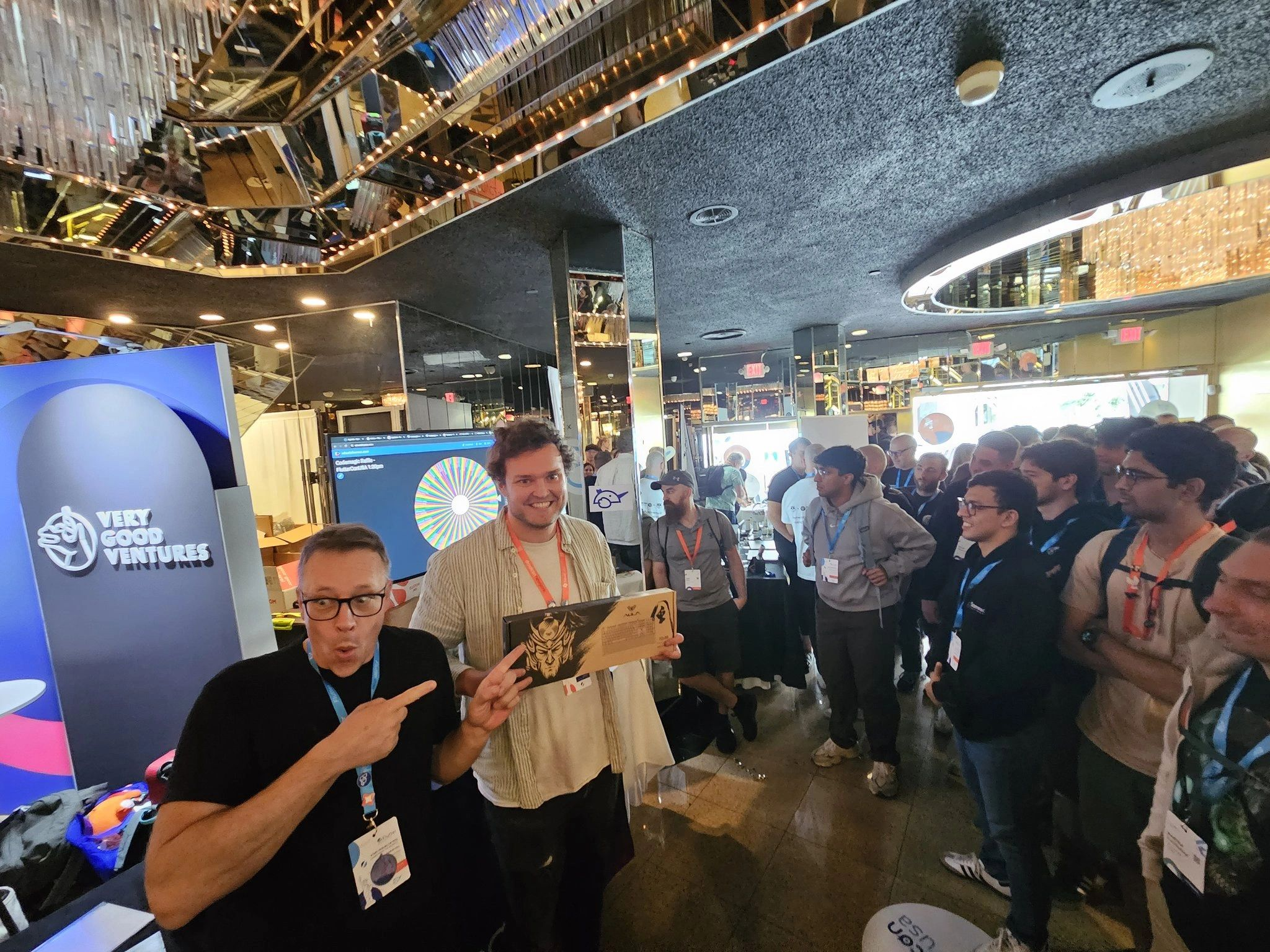
The talks I found most useful were the ones about state management that doesn't fall apart as teams grow, CI/CD tweaks that actually reduce build times, testing under conditions where a bug means a cop can't do their job, and code review norms that keep quality up without creating bottlenecks.
A lot of it confirmed things we were already thinking about. Some of it gave us better vocabulary for problems we'd been solving in different ways.
What we adopted
I implemented what I learned and shared knowledge with the team. We ended up taking on a few of the CI/CD changes and one of the state management approaches. One talk in particular gave me a solid framework for using BLoC to manage state in a way that scales well as the team grows—we adopted that and it noticeably cleaned up our codebase.
The more interesting part was thinking through testing philosophy. When failure is expensive, you have to be intentional about what you actually test versus what just makes the metrics look good.
Growing the team
Outside the code, I've been involved in helping onboard new hires in the codebase and getting them up to speed. It's satisfying to see people start to think in systems rather than screens.